Detail
Home /Detail Information
The Enigmatic Tomb of Bazen: A Forgotten Legacy in Stone
The Enigmatic Tomb of Bazen: A Forgotten Legacy in Stone
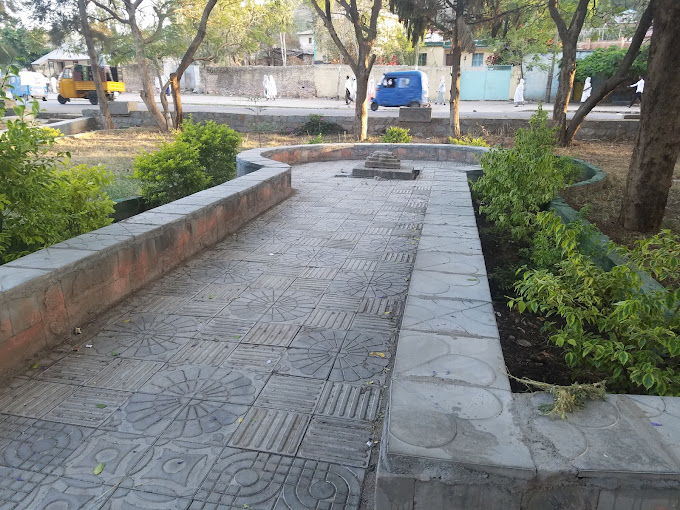
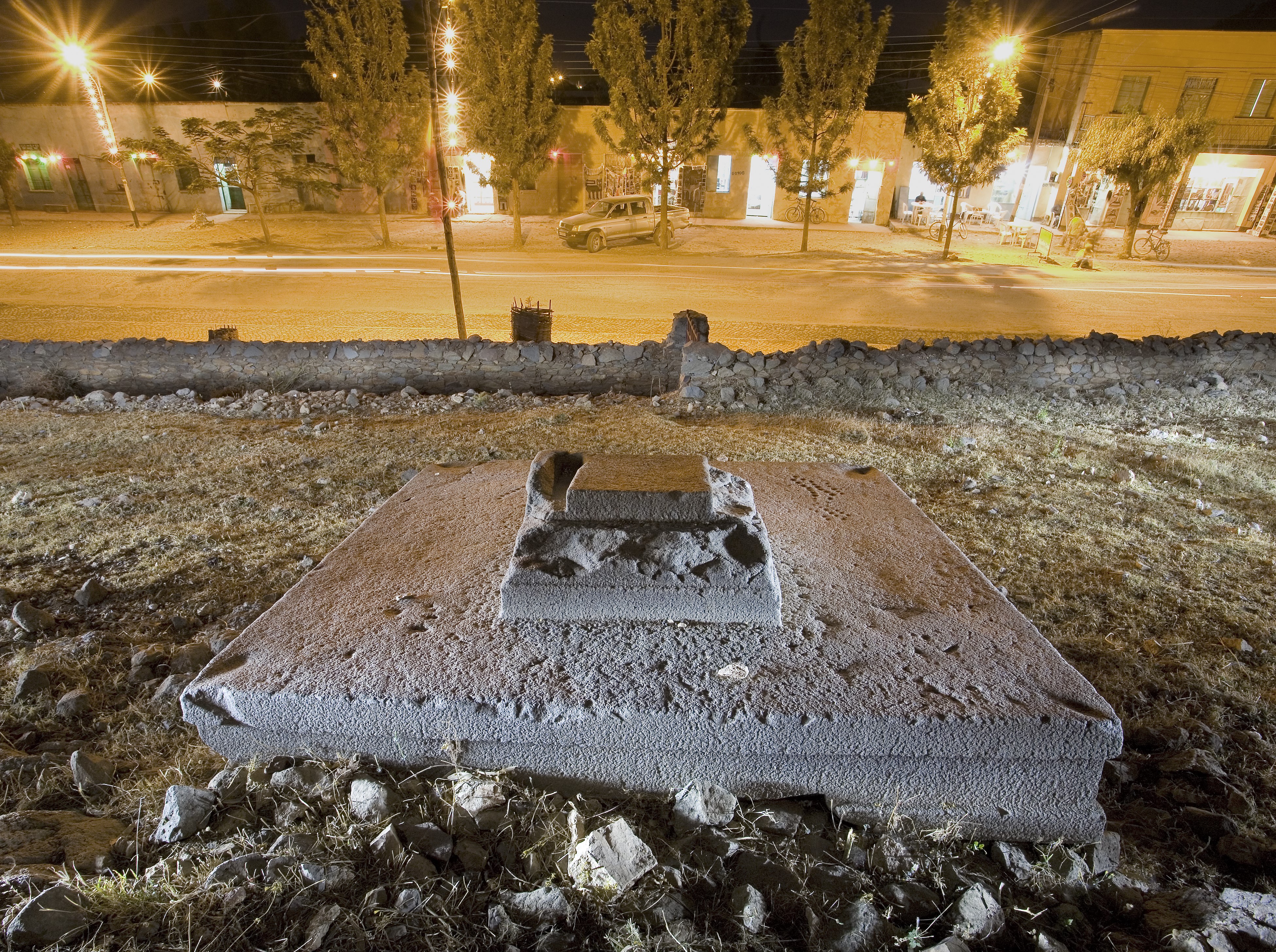
Nestled at the southwestern foot of Mai Qoho Hill, just north of Ezana Park, lies a hidden relic of antiquity—the Tomb of Bazen. Carved into living rock, this subterranean marvel is a silent sentinel of a bygone era, whispering secrets of an ancient royal burial ground.
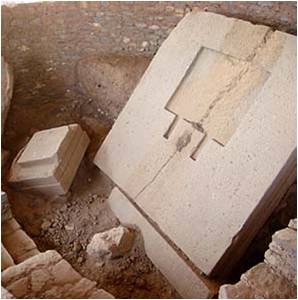
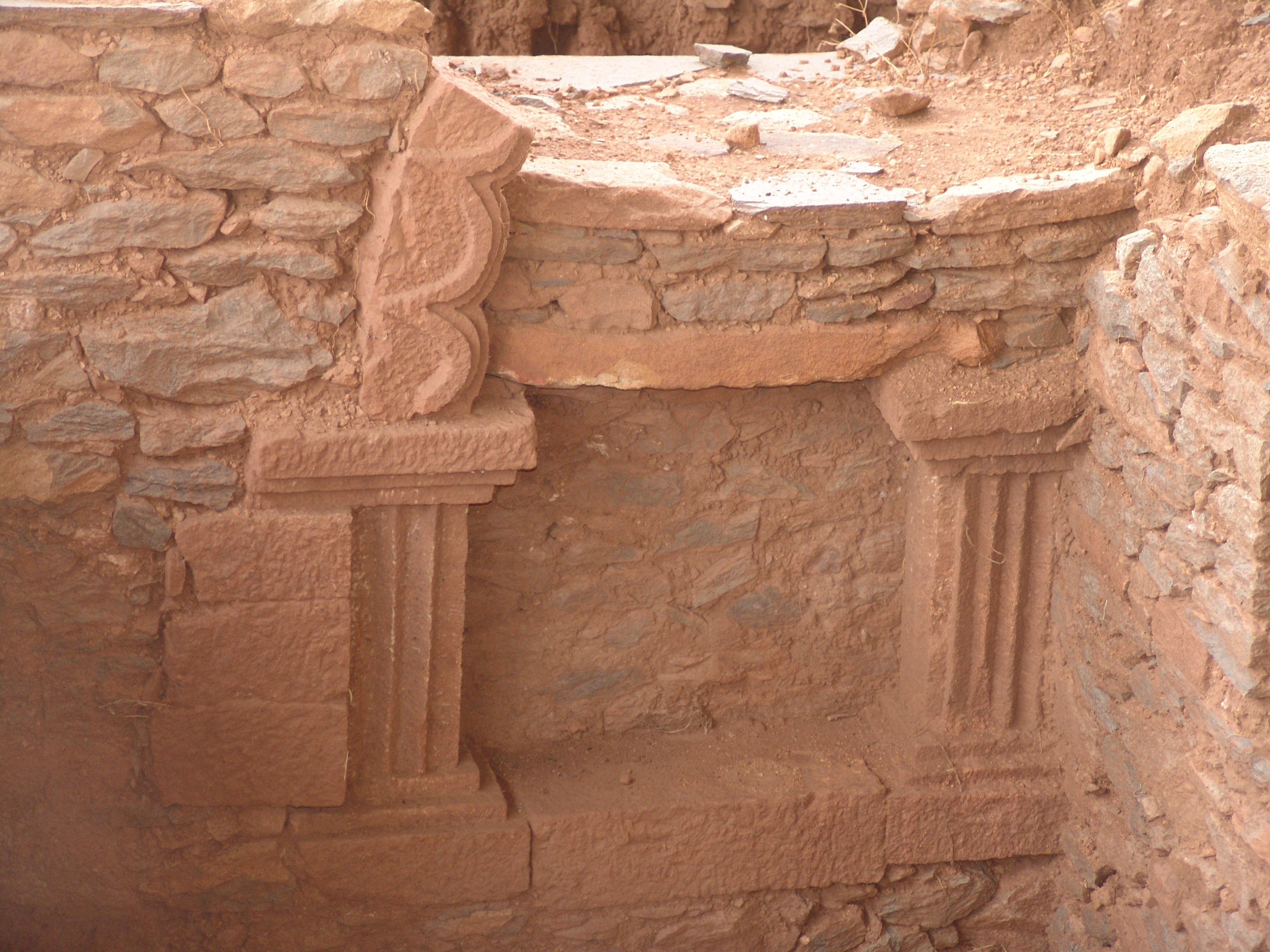
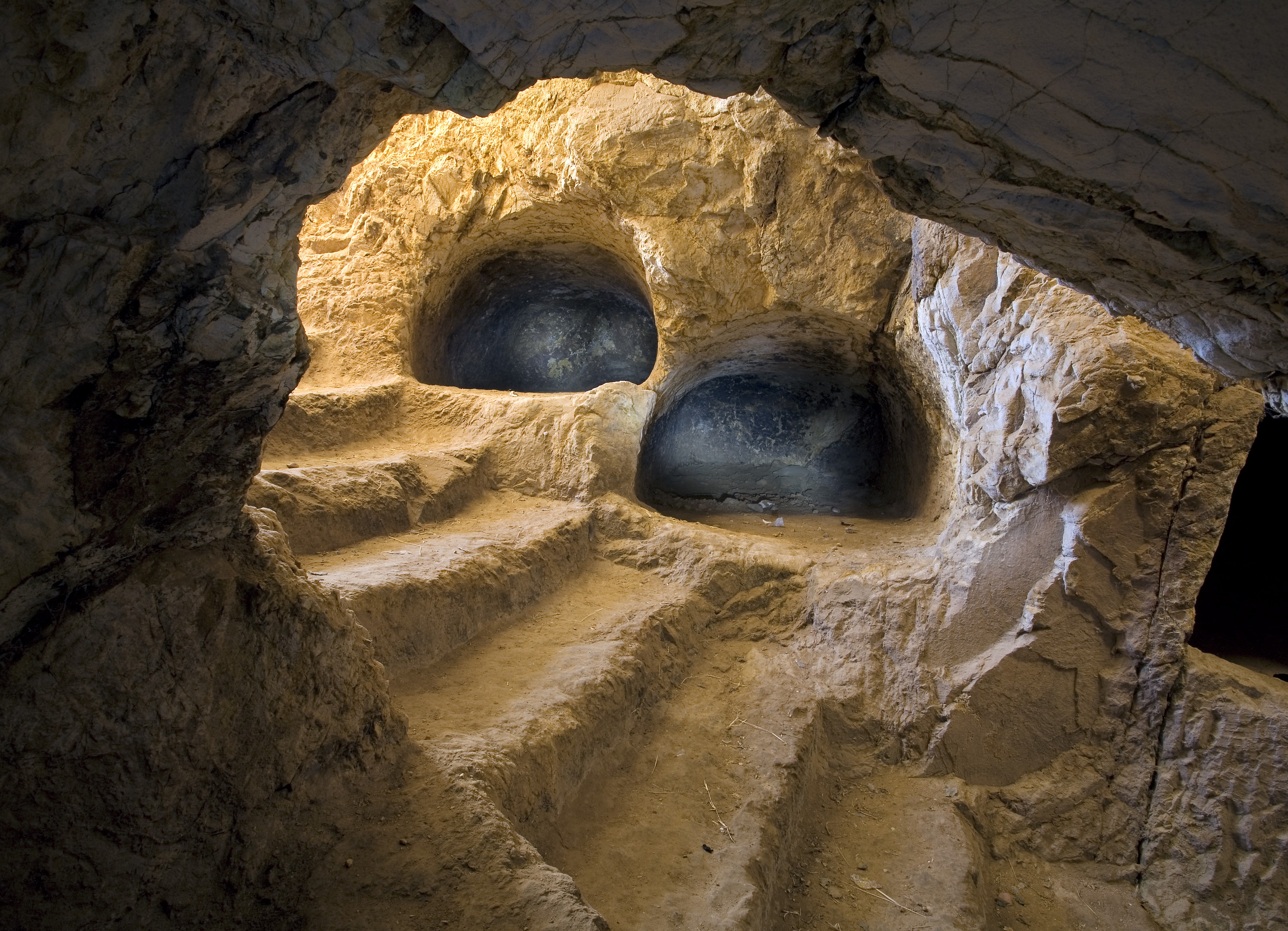
A grand rock-hewn passage, stretching 9.5 meters with sixteen worn steps, leads visitors into the depths of history. At its heart, a transverse chamber, positioned 7.5 to 8.5 meters below the rugged landscape, opens into four meticulously sculpted burial chambers. Flanking the entrance, seven smaller chambers stand as silent echoes of a sophisticated funerary tradition.
Beyond the main tomb, an array of rock-cut burial pits, cruciform shaft tombs, and scattered stelae mark the terrain, hinting at an expansive necropolis lost to time. Once, multiple stelae stood in solemn tribute, but today, only single 6.5-meter-high monolith remains, defying centuries of erosion.
This vast rock-cut complex, with its labyrinth of chambers and cryptic stelae, suggests that the Tomb of Bazen was not just a resting place—it was a royal sanctuary, an enduring testament to an age where stone was carved not just to house the dead, but to immortalize the past.

Leave Your Comment
Nearby Attractions